Saturday, September 27, 2014

AGING & the elusive search for ELIXIR


As we grow, from the infancy to childhood and thereafter progressing to youth, we have a natural eagerness to grow. We anticipate increasing stamina and maturity wherein we will be strong, energetic and would have loads of stamina to achieve our goals. But as we grow older, we want the time to stop in this elusive youthful state and want to defer growing old, as aging is commonly associated with illness, decreased stamina, loose skin and thin hair etc. And at a time like this, we wish we could get our hands on some elixir that would keep us in the state of youthfulness. We want to stay physically and mentally agile and remain beautiful as we once were in our young age.
The next series of articles in our blog would discuss various issues dealing with aging. What we understand by it? What are the normal changes associated with it?

What can we do holistically about decreasing the impact of aging or let’s say to keep our mental and physical machinery in a good state for longer time? In the next few articles, we will unfathom the mystery that is aging and how we can slow the process, thereby decreasing its impact.

Bringing you a GOOD HEALTH WISH.

Dr Sweta Singla
Consultant Neurology
Kalpavriksh Superspeciality Center
01128082828
www.kvsc.in

Monday, July 7, 2014

Sleepless in Pregnancy


Sleeplessness or poor sleep is one of the many problems that expecting mothers have to deal with. That leads to increase in the fatigue that a woman already faces during these trying times.


Why is good sleep important during pregnancy?

The possibility of the woman having a low birth weight baby and pre-term labor increases because of the poor sleep during this period.  There is a link between birth complications and expectant mothers’ sleep that appears to be in disruptions to normal immune system function, caused by insufficient and low-quality sleep.


Why do pregnancy lead to sleep problems?

Several factors that contribute to the sleep difficulty during pregnancy are:

Hormonal changes. 

Pregnancy is a time of major hormonal shifts, which change sleep cycles and can disrupt sleep. Rising levels of progesterone may cause increase in BMR and may cause fatigue, as well as more sleepiness during the day, leaving women unusually wakeful at night. Fluctuating levels of estrogen also interfere with sleep. Levels of the hormone progesterone soar and your metabolism is running high. This can make you feel exhausted. At the same time, lower blood pressure and increased blood production might team up to sap your energy. If you have another child or children to care for, you might experience even more fatigue.

Leg cramps: 

Dehydration, increase in weight and hormonal shifts all might cause the leg cramps and might hamper your sleep.

Shortness of breath: 

Because of the increase in the uterus size that might put pressure on the diaphragm, which is one of the breathing muscle. This pressure increase in supine position while sleeping and worsens the ability to sleep.

Nocturnal heartburn or gastro-esophageal reflux disease (GERD) 

Pressure on the stomach by uterus and loosening of the lower esophageal sphincter leads to increased heartburn that again increases in lying down position.

Pain Syndromes:

Many types of pain that occur during this period like Back pain, Joint pain, Carpal tunnel syndrome (numbness in the hands that occurs due to fluid retention during this period) and Breast tenderness might hamper your sleep during this period.

Itching: 

Pruritus during pregnancy might get exaggerated and lead to persistent itching that might increase your sleeplessness.

Nightmares:

Vivid dreams or nightmares increase during pregnancy because of the hormonal shifts that increase the REM Sleep during this period and it is responsible for increased dreaming, which might cause increased anxiety in the pregnant women.

Anxiety.   

Anxiety about the pregnancy itself as well as about managing all the aspects of their lives alongside the impending arrival of a new baby might scare away the women to make them sleepless.

It is also during this phase of pregnancy that preeclampsia may occur, which has an impact on the timing of sleep or circadian rhythm.


What can a woman do to improve her sleep during this pregnancy?
Few simple things may improve your sleep and better the fatigue and the quality of life during pregnancy.
Sleep on the left lying position.                           
Lying on your left side can help improve blood flow to your baby and to your body. Also, try to keep one or both knees bent. And it's OK though, if you wake up in a different position.
Use pillows.                    
To prevent discomfort, consider using pregnancy or support pillows between your bent knees, under your abdomen and behind your back.
Elevate your headend while sleeping.               
Elevating the head of your bed can prevent or decrease heartburn or snoring.
Maintain a sleep schedule and follow good sleep hygiene.                    

Regularly go to bed and wake up at the same time. If you need more sleep, try napping early in the day.

Drink lots of fluids. 

Drink plenty of fluids during the day. To prevent frequent urination at night, cut down on how much you drink late in the day.

Plan your Nutrtion. 

Strive for a balanced diet rich in vitamins. A healthy diet can help you improve your energy levels and keep your pregnancy weight gain on target. To prevent heartburn, eat small, frequent meals and avoid fried foods, carbonated drinks, citrus fruits or juices, and spicy foods.

Keep active. 

Regular physical activity during pregnancy might help prevent excess weight gain and leg cramps, as well as boost energy.

Stretch. 

Stretching your calf muscles before bed may help prevent leg cramps during pregnancy.

Relaxation.

Breathing techniques, in particular, can help reduce tension.

Use nasal saline sprays or mechanical nasal dilators. 

These can relieve the nasal congestion that often occurs during pregnancy. Also, avoid smoking and exposure to secondhand smoke.

Creating an atmosphere to sleep.

A dark, quiet and comfortably cool environment can help encourage sleep.

Relieve pain safely. 

If minor pain caused by muscle stretching or your increased weight during the late stages of pregnancy is keeping you up, occasional use of acetaminophen (Paracetamol, others) might help.


Contributed By:

Dr Sweta Singla
Consultant Neurology & Sleep Disorder
At KVSC, we believe in providing you updated, ethical and evidence based care to you. We invite your valued feedback   

Wednesday, July 2, 2014

Effect of Thyroid Dysfunction on Pregnancy


Pregnancy is a time when the woman needs to maintain perfect health condition, as staying disease free will help in the proper foetal growth and development. 

Hence, the need to screen for various diseases so that we can manage the health issues timely before any complications arise because of them. 

One of such problems is thyroid dysfunction during pregnancy. 

Dealing with thyroid dysfunction timely and adequately will prevent premature labour and lead to better neurological development of a foetus leading to healthy and intelligent babies.


What is thyroid hormone?

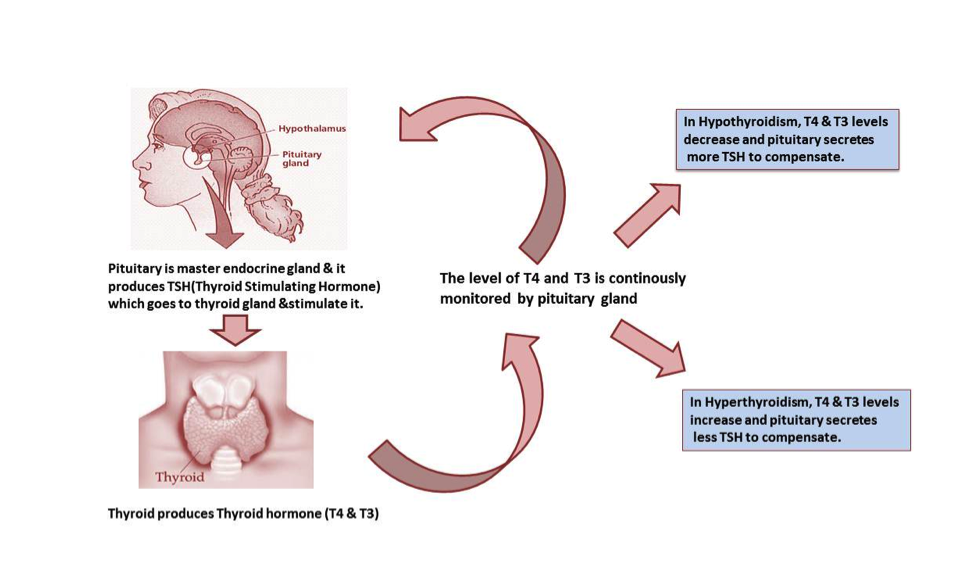
Thyroid hormone is secreted by a gland located in center of neck just below your Adam’s apple. This hormone is required for optimum functioning of all body parts including your muscles, stomach, bone, heart and brain.


What are common thyroid diseases and what are the common symptoms for same?


When thyroid gland produces less than desired levels of thyroid hormones, it is considered to be underactive or “hypothyroidism” and when it is over-producing then we call it “Hyperthyroidism”. Both of these states are harmful for baby as well as mother. Both of these states have distinct symptoms:


Hypothyroidism
                         Hyperthyroidism
  • Tiredness
  •  Depression
  •  Weight gain
  •  Feeling cold
  •  Dry skin and hair

  • Feeling too hot when others are comfortable
  • Rapid heartbeat
  • Trembling hands
  • Weight loss even though you eat enough
  • Tiredness and/or trouble sleeping
  •  Feeling irritable and anxious 


What are the risk factors for developing thyroid disease?

In large number of patients, there is no identifiable risk factor for thyroid disease. But certain risk factors do predispose for development of thyroid disease, especially for hypothyroidism.


1.     A family history of thyroid or autoimmune disease
2.     Type 1 diabetes or other autoimmune disease
3.     Prior radiation treatment of the head or neck
4.     Past thyroid surgery
5.     Thyroid antibodies, mainly thyroid peroxidase (TPO) antibodies, which are often present in Hashimoto’s disease
6.     Past infertility or preterm delivery
7.     A goiter (swelling of the thyroid gland)


When should I get myself tested for thyroid disease?

Every woman who is planning pregnancy should get herself tested for thyroid disease beforehand and in case of unplanned pregnancy, thyroid testing should be recommended at first visit to gynecologist.
The reason for such liberal recommendation is two- fold. Firstly, it is an easily treatable disease and secondly, treatment is cheap and generally has no associated side-effects.


How are thyroid disorders detected?

To detect thyroid disorders, your doctor does a physical exam and orders blood tests to 
measure your thyroid hormone levels.
In the blood tests, main conclusion is drawn from a test called serum TSH. Interpretation of TSH values requires understanding of normal physiology of thyroid gland.


How do I treat my thyroid problems in pregnancy?

In pregnancy, you need to start some medications for both types of thyroid diseases, in consultation with your endocrinologist.
Treatment of hypothyroidism involves replacement with tyroid hormone i.e. T4. This hormone has been prepared with recombinant technology and is exactly same as is being produced inside your own thyroid gland.
For hyperthyroidism, drugs are given to suppress your thyroid gland from producing more thyroid hormone.


Why is it so necessary to take treatment for thyroid problems in pregnancy?


Maternal hypothyroidism poses a risk for both mother and baby, if left untreated. A pregnant woman’s thyroid hormones are vital not only for her but also for the development of her baby. Pregnant women with uncontrolled hypothyroidism can get high blood pressure, anemia (low red blood cell count), and muscle pain and weakness. There is also an increased risk of miscarriage, premature birth (before 37 weeks of pregnancy), or even stillbirth.
Pregnant women with uncontrolled hyperthyroidism may develop high blood pressure. 

There is also an increased risk of miscarriage, premature birth, and having a baby with a low birth weight.


Is there anything to worry?

No, there is nothing to worry. If treated well, thyroid diseases pose no risk to mother or child. So, importance of screening for thyroid disease in pregnancy cannot be over-emphasized.


Contributed By:
Dr Rajiv Singla
Consultant Endocrinology
MD, DM - Endocrinology & Metabolism.
At KVSC, we believe in providing you updated, ethical and evidence based care to you. We invite your valued feedback   

Saturday, June 28, 2014

Headache in Pregnancy


Headache is one the most common problems that comes for evaluation in a clinical practice. 

Even though most of the headaches are benign and do not need much evaluation but frequent/ episodic headache may cause quite a disability in day to day life and differentiating benign and malignant headaches is important to reduce the anxiety that is so frequently associated with frequent and persistent headaches. 

Headaches may occur frequently during pregnancy, especially first and third trimester.
Sudden hormonal shifts and increase in circulating blood volume may contribute to increase in headache frequency.
In the second trimester, pregnancy-related headaches may disappear as your body becomes used to the hormonal changes.
 Common causes of headache in pregnancy may be as follows:
1. Tension-type headaches (TTH): These are characterized by band like sensation around the head. Woman may feel varied sensation like heaviness, stretching sensation extending from scalp to the neck and shoulders. Following factors may contribute to the development of TTH:
Stress
Fatigue
Lack of sleep
Low blood sugar or hypo-glycaemia
Dehydration
2. Migraines
Episodic headache that is severe, throbbing and affecting both the sides of the head and associated with nausea or vomiting are usually migraine. Even though migraine improves during pregnancy in > 50% of cases, some women may have migraine headaches for the first time in early pregnancy.
3. High Blood Pressure / Pre-eclampsia may present as a sudden, severe unrelenting headache in a pregnant woman.  It may be accompanied by blurry vision, spots in front of your eyes, sudden weight gain, pain in the upper right abdomen, and swelling in the hands or feets and nausea and vomiting.
It requires immediate medical attention, as uncontrolled high BP is associated with complications like placental insufficiency, separation of placenta from the uterus (abruption), decreased platelet count leading to bleeding disorder, cardiovascular insufficiency.
4. Cerebral venous thrombosis - a blood clot in the sinuses of the brain . It may not be a common cause of headache but it is important to recognize this complication as venous sinuses thrombosis occurs more frequently in pregnant and post partum period as compared to general populations and it could be potentially life threatening and could lead to permanent neurological disability. So any new onset headache associated with vision loss and vomiting need neurological evaluation to rule out CVT.
5. Idiopathic intracranial hypertension (IIH). Rarely headache in pregnancy might be due to pressure build-up in the skull, known as IIH. It is more likely to occur in obese women of childbearing age especially if there is an ongoing thyroid problem. It may present as unexplained headache and decreased vision during the pregnancy


HOW DO I MANAGE THESE HEADACHES DURING PREGNANCY

Before taking any painkillers, you must always talk to doctor to check the safety of that drug during pregnancy.  Acetaaminophen (commonly known as Paracetamol) is the safest pain killer during pregnancy, if no medical help is around in a case of acute headache. The following tips may safely help relieve or prevent headaches during pregnancy:
Use warm or cold compresses.
         To soothe a headache in the sinus area, apply warm compresses to the front and sides of your face and around your nose, eyes and temples.
         To relieve a tension headache, apply a cold compress to the back of your neck
Reduce stress.
         Avoid stressful situations.
         Relaxation exercises may help. For instance, try deep breathing or simply closing your eyes and imagining a peaceful scene.
Rest and exercise.
         Resting in a dark, quiet room can soothe headaches.
         Getting good sleep and exercise may help.
Eat well-balanced meals.
         Eat smaller, more frequent meals throughout the day.
         This can help keep your blood sugar from getting too low.
Take care of your body.
         Maintain good posture, especially during the third trimester.
         Get a massage. Massaging your temples, shoulders and neck can help reduce the pain of headaches.
Avoid headache triggers.
         Different kinds of food or stresses can trigger headaches. For instance, triggers of migraine headaches include chocolate, aged cheese, peanuts and preserved meats.
         Keep a diary, and review the kinds of foods and activities that tend to trigger tension or migraine headaches
Medication 
Most of the medicines to treat headache are contraindicated during pregnancy. Even Over the counter drugs should not beg taken without consulting your doctor. Please always ask for pregnancy category of drugs ( according to their potential to cause foetal defects, drugs have assigned pregnancy category and only Pregnancy category A or B should be taken).

Call your doctor for help, if your headache:
         Is sudden and explosive or includes a violent pain that awakens you from sleep
         If headache is associated with decreased vision, seizure, vomiting or any neurological complaint like a limb weakness
         Is accompanied by fever and stiff neck
         Becomes increasingly worse, and you have vision changes, slurred speech, drowsiness, numbness or a change in sensation or alertness
         Occurs after falling or hitting your head
         Is accompanied by nasal congestion, pain and pressure underneath your eyes, or dental pain (these may be signs of sinus infection)


Contributed by:
Dr Sweta Singla
Consultant Neurology and Sleep Disorders
Kalpavriksh Superspeciality Clinic
www.kvsc.in  

Friday, June 27, 2014

Pregnancy: a guide to plan your nutrition


Pregnancy is the time when issues are abound to drive a normal woman crazy. 

Pregnancy is the time of major hormonal shifts that are required to sustain the foetus, which also have a bearing on the emotional health during this time. Emotions, which can change by the minute adds on more to the physical distress in any pregnancy. That is where nutrition walks right in. 

Most of the pregnancy’s emotional roller coaster can be managed with eating right. It has two benefits obviously – you need the baby to be healthy and you need to stay emotionally stable during this turmoil !!

Planning your diet during pregnancy is one of the best things you can do for yourself and your baby. After all, the food you eat is your baby's main source of nutrition. Smart choices about pregnancy nutrition can help you promote your baby's growth and development.


We have discussed in our earlier post the basics about the calorie and nutrition requirements in pregnancy. 


Grains
Grains provide essential carbohydrates, your body's main source of energy. Many whole-grain and enriched products also contain fiber, iron, B vitamins and various minerals. Fortified bread and cereal can help you get enough folic acid.

What to eat: Make sure at least half of your grains each day are whole grains. If that sounds like a lot, don't worry. It might not be as much as you think. You can get most of your day's grains with a bowl of fortified cereal for breakfast, a lunchtime sandwich made with two slices of whole-wheat bread and whole-wheat pasta for dinner.


Fruits and vegetables
Fruits and vegetables are critical components of pregnancy nutrition, since they provide various vitamins and minerals, as well as fiber to aid digestion. Vitamin C, found in many fruits and vegetables, helps you absorb iron. Dark green vegetables have vitamin A, iron and folate — other important nutrients during pregnancy.

What to eat or drink: Top your cereal with slices of fresh fruit. Make a veggie pizza. Add extra vegetables to your casserole.
If you're tired of apples, oranges and green beans, branch out. Try apricots, mangoes, pineapple, sweet potatoes, winter squash or spinach. Make trail mix with a variety of dried fruit. Fruit juices counts, too, but remember that too much juice can lead to undesired weight gain.


Meat, poultry, fish, eggs and beans
Foods in this group have plenty of protein, as well as B vitamins and iron. Protein is crucial for your baby's growth, especially during the second and third trimesters.

What to eat: Try whole-wheat toast with peanut butter for breakfast. Eat a scrambled egg or an omelet for lunch. Serve a salmon fillet for dinner. Add chickpeas or black beans to your salad. Snack on a handful of soy nuts.
If your traditional sources of protein no longer appeal to you — likely during the first trimester — experiment with other options. Fish is an excellent source of protein as well as omega-3 fatty acids, which can promote your baby's brain development.


Dairy products
The calcium in dairy products and calcium-fortified soy milk helps build your baby's bones and teeth. Dairy products also have vitamin D and protein.

What to eat or drink: Eat yogurt for your afternoon snack. Drink the milk in your cereal bowl. Have a glass of skim milk with dinner. Add low-fat cheese to a salad.
If you have trouble digesting dairy products, get creative. Try calcium-fortified orange juice or sardines. Experiment with lactose-reduced or lactose-free products. Use an over-the-counter lactase enzyme product when you eat or drink dairy products.

How much: Choose 3 cups a day, regardless of your height, weight, physical activity level or stage of pregnancy


Water
Water carries nutrients from the food you eat to your baby. It can also help prevent constipation, hemorrhoids, excessive swelling, and urinary tract or bladder infections. As your pregnancy progresses, drinking too little water can contribute to premature or early labor.
How much: The Institute of Medicine recommends about 10 cups (2.4 liters) of fluids a day during pregnancy. Water, juices, coffee, tea and soft drinks all contribute to your daily fluid needs. Keep in mind, however, that some drinks are high in sugar and too much can cause weight gain. Because of the potential effects on your developing baby, your health care provider might also recommend limiting the amount of caffeine in your diet to less than 200 milligrams a day during pregnancy.


Fats, oils and sweets
There are no minimum requirements for fats and sweets. Choose foods with healthy fats such as nuts, seeds or avocados. Use oil and vinegar as your salad dressing. It's OK to indulge once in a while — as long as you're getting the nutrients you need and your weight gain is on target. To avoid going overboard, control your portion sizes of foods high in fat and sugar.

Ask about supplements
Even women who eat healthfully every day can miss out on key nutrients. A daily prenatal vitamin — ideally starting three months before conception — can help fill any gaps. Your health care provider might recommend special supplements if you follow a strict vegetarian diet, have had bariatric surgery or have any chronic health conditions, such as diabetes. Always consult your health care provider before taking any new vitamins or supplements during pregnancy.


Contributed by:
Shafina Segon
Director
Nutrition and Health Consultancy