Monday, September 29, 2014

Normal aging - a Myth


What do we understand by normal aging ?

Normal aging is a myth. Aging is a variable phenomenon that affects different individuals differently. The gradual wear and tear of any machinery depends on how well it has been maintained and taken care of. Till our youth the organs are growing and the regenerative capacity of our body organs is very active. But post youth the normal consequence of growth is the regenerative capacity decreases drastically because of genetic programming of cell death and the external environmental influences, which may hasten the process. The cell death lead to decreased capability to handle the environmental stress in return. The way we live, our diet, physical activity and the stress both physical and psychological causes a string of events in our body that would in the long run would determine the rate of decline in our normal functions. Added to this would be the illnesses that start appearing in the in the middle age and increase the burden of aging on the life quality.

What are the various changes that occur with aging?

Various organs show different physiological changes during aging. The table below summarizes the changes in a nutshell.

Organ
Aging changes
Skin
Skin becomes less elastic and more lined and wrinkled. Nail growth slows. The oil glands gradually produce less oil, making the skin drier than before.
Hair
Gradually become thinner. As hair pigment cells decline, gray hair growth increases
    Face
Wrinkles, facial hair, bags under the eyes, double chin, longer ears, thinning cheek.
Hearing
High-frequency sounds become  harder to hear and changes in tone and speech less clear especially after 50.
Vision
Lenses in the eyes become less flexible (presbyopia). Night vision and visual sharpness to decline.
Nose
Ability to smell declines after age 65, amount of reduction varies widely between individuals.

Height
By age 80, it's common to have lost as much as 2 in. (5 cm) in height, posture and compression of joints, spinal bones, and spinal discs.
Body Weight
Weight declines between age 55 and 75, due mostly to loss of lean tissue, muscle mass, water, and bone.
Fat
Fat content and distribution change, storage increases

Sleep
Less sleep at night, and you may not sleep as deeply as you did when you were younger. Frequent midnight and early morning awakenings.
Brain
Gradual loss of brain tissue ( 5-10% by age 90), slow reaction, faltering memory, insomnia.
Mental and physical responses to specific stimuli become slower.
Heart
Thickening of heart wall, gradual loss of effectiveness as a pumping machine.
Lungs
Lose elasticity and capacity (40% between ages 20 and 80), increasing difficulty to oxygenate blood.
Joints
Cartilage becomes cracks and frays, cushioning fluid gets thinner, tendons and ligaments are less resilient.
Bones.
Loss of bone cells accelerates at about age 35, bones become porous and brittle in the demineralizing process. Osteoporosis is common in women.
Metabolism and body composition.
Over time, the body typically needs less energy, and your metabolism slows. Hormone changes in the aging body result in a shift to more body fat and less muscle mass.
Abnormal Growth
Cancers, hyperplasia, and macromolecular aggregates become common.
Arteries
Cholesterol and calcium buildup, walls thicken, arteries harden, high blood pressure, risk of heart attack.
Blood
White blood cell and red blood cell count decrease.
Kidneys
Weight & volume of the kidneys shrink, marked reduction in the cleansing of impurities from the blood.
Bladder
Connective tissue weaken, lower capacity to store urine, and reduced efficiency of emptying content.
Prostate
Reduction in semen making after 60, enlargement in size may cause difficulty to urinate.
Reproductive
System
Women go through menopause at ages of 45 - 50, reduced level of estrogen affects the whole body.
Men's reproductive change with age is more like a reduction than a cessation.
Breast
Mammary (milk secreting) glands reduce in size, as does the breast.
Hormones
The level of several hormones, e.g., GH, DHEA, IGF falls with age, may be a major cause on ageing.
Immunity
Body's power to combat infection declines; auto-immune responses increase.
Muscles
Loss of muscular mass, partly due to un-use, other causes include loss of blood flow and energy supply.
Nerve
Demyelination - loss of myelin covering of nerve fibers, which is characteristic of neurological disorders.
Voice
Voice becomes weak and muffle
Tongue
Sense of taste loses only gradually with age, with equal reduction of all flavors.
Teeth
Teeth gum recession
Thermoregulation
Response to changes in environmental temperature becomes impaired.

What is Healthy aging?
Healthy aging is a way of lifestyle that may partially neutralize the deleterious effects of aging leading to a productive life for a longer life span. Even though genetic influences cannot be completely neutralized but the environment we create around us do influence the gene expression even when we are not able to appreciate those changes immediately in our body. Even minor changes in our lifestyle may lead to a happier and more satisfactory old age.
What is the role of preventive healthcare in healthy aging?
Preventive healthcare means actively intervening in the process of aging to look for illnesses, disabilities and stressful conditions so that they may be rectified at an early stage by lifestyle interventions. Preventive healthcare is a mindset that dynamically evaluates a lifestyle in terms of its long-term consequences both good or bad and finding where the problem lies and thereafter looking for the achievable solutions according to the individuals circumstances. This in the long term would decrease the load of chronic diseases in the old age and decreasing the economic burden due to health concerns of an individual and thence of a society.

More detailed overview of the different organs would be taken one by one in the next few posts.

Till then, stay healthy and stay ageless...

Dr Sweta Singla
Consultant Neurology
KVSC
www.kvsc.in 

Saturday, September 27, 2014

AGING & the elusive search for ELIXIR


As we grow, from the infancy to childhood and thereafter progressing to youth, we have a natural eagerness to grow. We anticipate increasing stamina and maturity wherein we will be strong, energetic and would have loads of stamina to achieve our goals. But as we grow older, we want the time to stop in this elusive youthful state and want to defer growing old, as aging is commonly associated with illness, decreased stamina, loose skin and thin hair etc. And at a time like this, we wish we could get our hands on some elixir that would keep us in the state of youthfulness. We want to stay physically and mentally agile and remain beautiful as we once were in our young age.
The next series of articles in our blog would discuss various issues dealing with aging. What we understand by it? What are the normal changes associated with it?

What can we do holistically about decreasing the impact of aging or let’s say to keep our mental and physical machinery in a good state for longer time? In the next few articles, we will unfathom the mystery that is aging and how we can slow the process, thereby decreasing its impact.

Bringing you a GOOD HEALTH WISH.

Dr Sweta Singla
Consultant Neurology
Kalpavriksh Superspeciality Center
01128082828
www.kvsc.in

Monday, July 7, 2014

Sleepless in Pregnancy


Sleeplessness or poor sleep is one of the many problems that expecting mothers have to deal with. That leads to increase in the fatigue that a woman already faces during these trying times.


Why is good sleep important during pregnancy?

The possibility of the woman having a low birth weight baby and pre-term labor increases because of the poor sleep during this period.  There is a link between birth complications and expectant mothers’ sleep that appears to be in disruptions to normal immune system function, caused by insufficient and low-quality sleep.


Why do pregnancy lead to sleep problems?

Several factors that contribute to the sleep difficulty during pregnancy are:

Hormonal changes. 

Pregnancy is a time of major hormonal shifts, which change sleep cycles and can disrupt sleep. Rising levels of progesterone may cause increase in BMR and may cause fatigue, as well as more sleepiness during the day, leaving women unusually wakeful at night. Fluctuating levels of estrogen also interfere with sleep. Levels of the hormone progesterone soar and your metabolism is running high. This can make you feel exhausted. At the same time, lower blood pressure and increased blood production might team up to sap your energy. If you have another child or children to care for, you might experience even more fatigue.

Leg cramps: 

Dehydration, increase in weight and hormonal shifts all might cause the leg cramps and might hamper your sleep.

Shortness of breath: 

Because of the increase in the uterus size that might put pressure on the diaphragm, which is one of the breathing muscle. This pressure increase in supine position while sleeping and worsens the ability to sleep.

Nocturnal heartburn or gastro-esophageal reflux disease (GERD) 

Pressure on the stomach by uterus and loosening of the lower esophageal sphincter leads to increased heartburn that again increases in lying down position.

Pain Syndromes:

Many types of pain that occur during this period like Back pain, Joint pain, Carpal tunnel syndrome (numbness in the hands that occurs due to fluid retention during this period) and Breast tenderness might hamper your sleep during this period.

Itching: 

Pruritus during pregnancy might get exaggerated and lead to persistent itching that might increase your sleeplessness.

Nightmares:

Vivid dreams or nightmares increase during pregnancy because of the hormonal shifts that increase the REM Sleep during this period and it is responsible for increased dreaming, which might cause increased anxiety in the pregnant women.

Anxiety.   

Anxiety about the pregnancy itself as well as about managing all the aspects of their lives alongside the impending arrival of a new baby might scare away the women to make them sleepless.

It is also during this phase of pregnancy that preeclampsia may occur, which has an impact on the timing of sleep or circadian rhythm.


What can a woman do to improve her sleep during this pregnancy?
Few simple things may improve your sleep and better the fatigue and the quality of life during pregnancy.
Sleep on the left lying position.                           
Lying on your left side can help improve blood flow to your baby and to your body. Also, try to keep one or both knees bent. And it's OK though, if you wake up in a different position.
Use pillows.                    
To prevent discomfort, consider using pregnancy or support pillows between your bent knees, under your abdomen and behind your back.
Elevate your headend while sleeping.               
Elevating the head of your bed can prevent or decrease heartburn or snoring.
Maintain a sleep schedule and follow good sleep hygiene.                    

Regularly go to bed and wake up at the same time. If you need more sleep, try napping early in the day.

Drink lots of fluids. 

Drink plenty of fluids during the day. To prevent frequent urination at night, cut down on how much you drink late in the day.

Plan your Nutrtion. 

Strive for a balanced diet rich in vitamins. A healthy diet can help you improve your energy levels and keep your pregnancy weight gain on target. To prevent heartburn, eat small, frequent meals and avoid fried foods, carbonated drinks, citrus fruits or juices, and spicy foods.

Keep active. 

Regular physical activity during pregnancy might help prevent excess weight gain and leg cramps, as well as boost energy.

Stretch. 

Stretching your calf muscles before bed may help prevent leg cramps during pregnancy.

Relaxation.

Breathing techniques, in particular, can help reduce tension.

Use nasal saline sprays or mechanical nasal dilators. 

These can relieve the nasal congestion that often occurs during pregnancy. Also, avoid smoking and exposure to secondhand smoke.

Creating an atmosphere to sleep.

A dark, quiet and comfortably cool environment can help encourage sleep.

Relieve pain safely. 

If minor pain caused by muscle stretching or your increased weight during the late stages of pregnancy is keeping you up, occasional use of acetaminophen (Paracetamol, others) might help.


Contributed By:

Dr Sweta Singla
Consultant Neurology & Sleep Disorder
At KVSC, we believe in providing you updated, ethical and evidence based care to you. We invite your valued feedback   

Wednesday, July 2, 2014

Effect of Thyroid Dysfunction on Pregnancy


Pregnancy is a time when the woman needs to maintain perfect health condition, as staying disease free will help in the proper foetal growth and development. 

Hence, the need to screen for various diseases so that we can manage the health issues timely before any complications arise because of them. 

One of such problems is thyroid dysfunction during pregnancy. 

Dealing with thyroid dysfunction timely and adequately will prevent premature labour and lead to better neurological development of a foetus leading to healthy and intelligent babies.


What is thyroid hormone?

Thyroid hormone is secreted by a gland located in center of neck just below your Adam’s apple. This hormone is required for optimum functioning of all body parts including your muscles, stomach, bone, heart and brain.


What are common thyroid diseases and what are the common symptoms for same?


When thyroid gland produces less than desired levels of thyroid hormones, it is considered to be underactive or “hypothyroidism” and when it is over-producing then we call it “Hyperthyroidism”. Both of these states are harmful for baby as well as mother. Both of these states have distinct symptoms:


Hypothyroidism
                         Hyperthyroidism
  • Tiredness
  •  Depression
  •  Weight gain
  •  Feeling cold
  •  Dry skin and hair

  • Feeling too hot when others are comfortable
  • Rapid heartbeat
  • Trembling hands
  • Weight loss even though you eat enough
  • Tiredness and/or trouble sleeping
  •  Feeling irritable and anxious 


What are the risk factors for developing thyroid disease?

In large number of patients, there is no identifiable risk factor for thyroid disease. But certain risk factors do predispose for development of thyroid disease, especially for hypothyroidism.


1.     A family history of thyroid or autoimmune disease
2.     Type 1 diabetes or other autoimmune disease
3.     Prior radiation treatment of the head or neck
4.     Past thyroid surgery
5.     Thyroid antibodies, mainly thyroid peroxidase (TPO) antibodies, which are often present in Hashimoto’s disease
6.     Past infertility or preterm delivery
7.     A goiter (swelling of the thyroid gland)


When should I get myself tested for thyroid disease?

Every woman who is planning pregnancy should get herself tested for thyroid disease beforehand and in case of unplanned pregnancy, thyroid testing should be recommended at first visit to gynecologist.
The reason for such liberal recommendation is two- fold. Firstly, it is an easily treatable disease and secondly, treatment is cheap and generally has no associated side-effects.


How are thyroid disorders detected?

To detect thyroid disorders, your doctor does a physical exam and orders blood tests to 
measure your thyroid hormone levels.
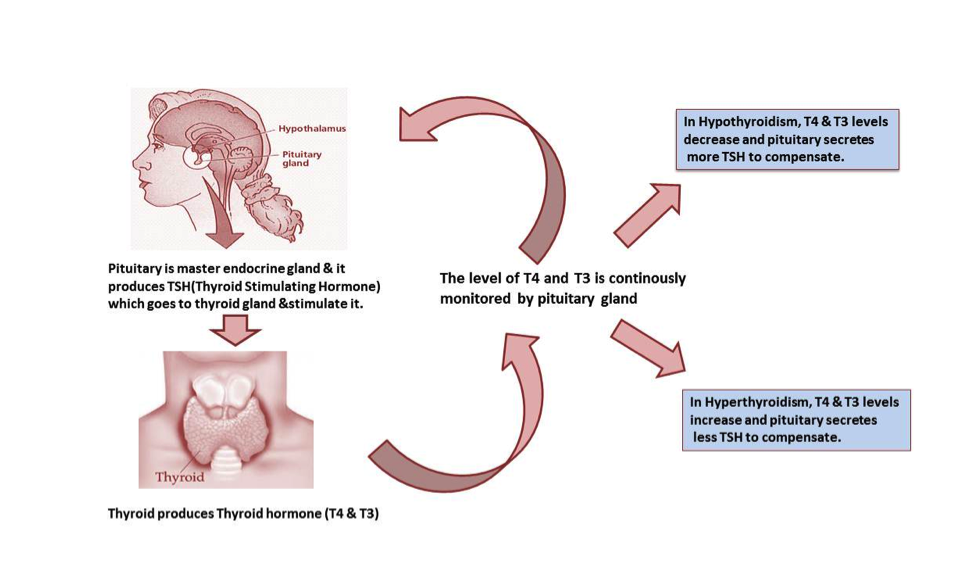
In the blood tests, main conclusion is drawn from a test called serum TSH. Interpretation of TSH values requires understanding of normal physiology of thyroid gland.


How do I treat my thyroid problems in pregnancy?

In pregnancy, you need to start some medications for both types of thyroid diseases, in consultation with your endocrinologist.
Treatment of hypothyroidism involves replacement with tyroid hormone i.e. T4. This hormone has been prepared with recombinant technology and is exactly same as is being produced inside your own thyroid gland.
For hyperthyroidism, drugs are given to suppress your thyroid gland from producing more thyroid hormone.


Why is it so necessary to take treatment for thyroid problems in pregnancy?


Maternal hypothyroidism poses a risk for both mother and baby, if left untreated. A pregnant woman’s thyroid hormones are vital not only for her but also for the development of her baby. Pregnant women with uncontrolled hypothyroidism can get high blood pressure, anemia (low red blood cell count), and muscle pain and weakness. There is also an increased risk of miscarriage, premature birth (before 37 weeks of pregnancy), or even stillbirth.
Pregnant women with uncontrolled hyperthyroidism may develop high blood pressure. 

There is also an increased risk of miscarriage, premature birth, and having a baby with a low birth weight.


Is there anything to worry?

No, there is nothing to worry. If treated well, thyroid diseases pose no risk to mother or child. So, importance of screening for thyroid disease in pregnancy cannot be over-emphasized.


Contributed By:
Dr Rajiv Singla
Consultant Endocrinology
MD, DM - Endocrinology & Metabolism.
At KVSC, we believe in providing you updated, ethical and evidence based care to you. We invite your valued feedback